Early Literacy, Inclusion, and the Power of Representation in The Adventures of Baxter, Boom, & Bale
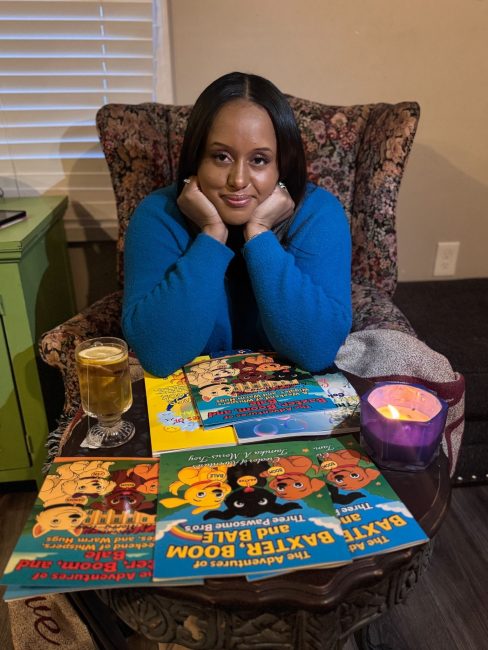
In early literacy spaces, the stories we share matter. They shape how children see themselves, how they understand others, and how they begin to make sense of the world. In a recent interview, author Tamika Morris-Troy—creator of The Adventures of Baxter, Boom, & Bale—demonstrates how inclusive storytelling can transform early learning by centering identity, connection, and belonging.
Drawing from her lived experience as a mother of children on the autism spectrum, Morris-Troy has developed a children’s book series that integrates storytelling, social-emotional learning, and neurodiversity-affirming representation. Her work offers a compelling model for how early literacy materials can support both skill development and identity affirmation.
From Lived Experience to Literacy Practice
Morris-Troy describes her series as “a journaling experience,” rooted in real-life moments with her children. This authenticity is central to why the books resonate so deeply with families and educators.
Rather than presenting autism through a deficit lens, her stories highlight joy, individuality, and emotional complexity:
“Autism does not have a look… we cannot put autism in a box.”
This approach aligns with current research in early childhood education. The National Association for the Education of Young Children (NAEYC, 2024) emphasizes that children benefit most from environments that recognize diverse developmental pathways, affirm differences as strengths, and provide multiple entry points for engagement.
Early Literacy as Connection
A key takeaway from the interview is that early literacy extends beyond decoding text—it is fundamentally about connection and meaning-making.
One powerful example shared by Morris-Troy involved a non-speaking child who connected with the book through images and spoke the word “dog” for the first time:
“You have to find the key to their lock… something that resonates with them.”
This insight reflects research on multimodal literacy and Universal Design for Learning (UDL), which emphasizes that children engage with texts through visuals, repetition, rhythm, and sensory interaction. Literacy development includes non-verbal engagement, and motivation plays a critical role in language acquisition.
Designing for Diverse Learners
Morris-Troy intentionally incorporates features aligned with early literacy best practices, including:
- Bright, engaging illustrations that support visual literacy
- Rhythmic language that builds phonological awareness
- Repetition and predictable structures that support comprehension
- Interactive elements such as coloring and discussion
These strategies reflect core practices found in early literacy frameworks like Every Child Ready to Read (talking, singing, reading, writing, and playing).
Importantly, her work recognizes that engagement is not standardized:
“He may not care about the words… but he may care about the coloring… something sensory.”
This flexibility reflects inclusive pedagogy, where learning experiences are responsive to individual needs.
Representation Matters: Mirrors, Windows, and Doors
Morris-Troy’s series reflects the “mirrors, windows, and doors” framework developed by Rudine Sims Bishop, which highlights the importance of representation in children’s literature.
For young readers:
- Mirrors reflect their own identities
- Windows provide insight into others’ experiences
- Doors open possibilities for new ways of thinking
One reader’s response underscores this impact:
“Boom acts like me… I repeat my words all the time.”
Research shows that when children see themselves reflected in books, they experience increased engagement, stronger identity development, and greater social-emotional confidence.
From Awareness to Appreciation
Morris-Troy advocates for a shift from “Autism Awareness” to “Autism Appreciation.”
This perspective aligns with evolving practices in education and disability studies that emphasize:
- Moving beyond awareness toward acceptance and appreciation
- Centering lived experiences
- Highlighting strengths, joy, and connection
Her work contributes to a growing movement that calls for more authentic and inclusive narratives in children’s literature.
Expanding Early Literacy Access
Morris-Troy continues to expand her work to meet children at different developmental stages:
- A six-book early learner series (ages 1–4) focused on feelings and regulation, supporting foundational emotional development and self-regulation in early childhood
- Future titles that grow with readers into more complex narratives
- Potential board books designed for tactile and early intervention engagement
This continuum reflects best practices in literacy development—meeting children where they are and supporting growth over time.
Extending Impact Beyond the Page
Morris-Troy’s work extends beyond authorship through the Max Jax & Jyles Foundation, which supports outreach, awareness, and resources for families navigating autism and early learning differences.
This connection underscores how storytelling can intersect with advocacy and community impact.
Implications for Library Practice
For librarians and educators, The Adventures of Baxter, Boom, & Bale offers a practical and meaningful resource for inclusive programming.
Libraries can use this series to:
- Support inclusive storytimes and read-alouds
- Facilitate conversations about emotions and differences
- Engage children through multimodal learning approaches
- Provide representation for neurodivergent learners
- Strengthen family engagement through shared reading
As Morris-Troy notes:
“Books bring people together… even just a few moments… to connect.”
Conclusion
Early literacy is not solely about preparing children to read—it is about ensuring they feel seen, heard, and valued.
Through her work, Tamika Morris-Troy demonstrates that when inclusion, authenticity, and joy are centered, literacy becomes a pathway to belonging.
References
- Bottema-Beutel, K., et al. (2021). Avoiding ableist narratives in autism research and education.
- Dunst, C. J., & Raab, M. (2023). Interest-based learning and early childhood development.
- National Association for the Education of Young Children. (2024). Developmentally Appropriate Practice Position Statement.
- Bautista, G. F., Ghesquière, P., & Torbeyns, J. (2024). Stimulating preschoolers’ early literacy development using educational technology. International Journal of Child-Computer Interaction, 39, 100620.
Author Bio
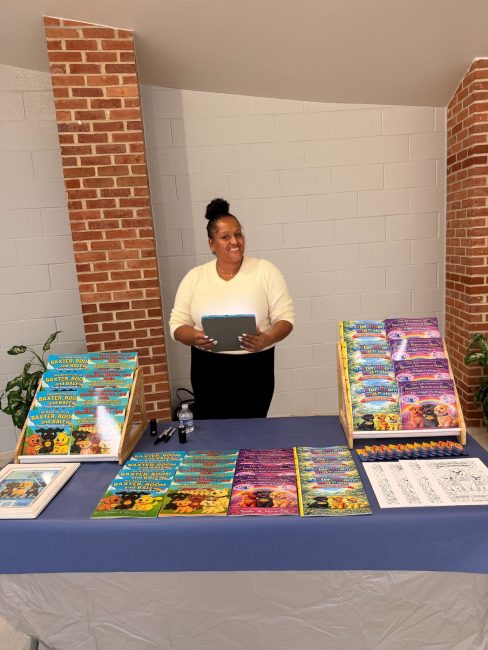
Tamika A. Morris-Troy is the creator of The Adventures of Baxter, Boom, and Bale, an autism-affirming children’s book series designed to support emotional understanding, communication, and inclusion for young readers.
Drawing from her lived experience as an autism parent, Tamika writes stories that gently reflect the many ways children experience the world. Her books are created with intention—to help children feel seen, valued, and understood, while also giving families, educators, and caregivers meaningful tools to support social-emotional learning.
The Baxter, Boom, and Bale series is thoughtfully crafted for children ages 3–10 and is used by families, classrooms, school counselors, and special education settings to encourage self-expression, empathy, and confidence. Through relatable characters and everyday moments, the series promotes acceptance and celebrates neurodiversity in a way that is accessible and empowering for all children.
In addition to her work as an author, Tamika is a co-founder of the Max, Jax, and Jyles Foundation for Autism Spectrum Disorder, an organization dedicated to supporting families and increasing access to autism-affirming resources.
Tamika’s mission is simple and enduring: to create stories that help every child understand that their voice matters—and that they belong.

Today’s blog post was written by ALSC Early and Family Literacy Committee Member Dee (Deadra) Brown, Lead Research and Instruction Librarian at Haverford College.