I was about to take a group of middle school patrons into an escape room when one of them asked me a question. “Hey Ms. Ann, will there be any actors in this?” I stopped and explained that, unfortunately, there wouldn’t be any actors, but there would be really great puzzles to solve. The kids had a blast doing the escape room, and after they finished, I had a question for them. Would they want to do a program where they were the actors and got to play roles? The answer was a resounding yes. That yes led to my first mystery program for middle schoolers.
Different Kinds of Mystery Programs
Mystery programs are always a huge hit with patrons. There are so many different paths you can take! Erin Warzala from the Wichita Falls Public Library (TX) created an amazing murder mystery night with filled with different crime scenes and actors. Desiree Alexander ran a cool two part mystery event based around Mardi Gras that featured a craft followed by mystery night. Since my patrons wanted to be actors and play characters, I ran a mystery program where each patron received a script and got to act out a role.
Setting-Up the Mystery Program
When planning your mystery program, think about what age group you want to target. This will impact the type of clues you give, and also the type of crime featured in your mystery. You also can decide if you want to write the mystery script yourself or buy one. If you buy one, keep in mind that you may also need to buy a commercial license to perform the mystery. Talk to the vendor about your event, and if they make any exceptions for non-profits.
No matter if you chose to write or buy a script, think about how many characters you will have. If you have only a few roles, you may want to hire actors or have coworkers play the different roles while patrons solve the mystery. Since my program was based around patrons playing the roles, I chose a script from Masters of Mystery that could be performed with up to 20 kids.
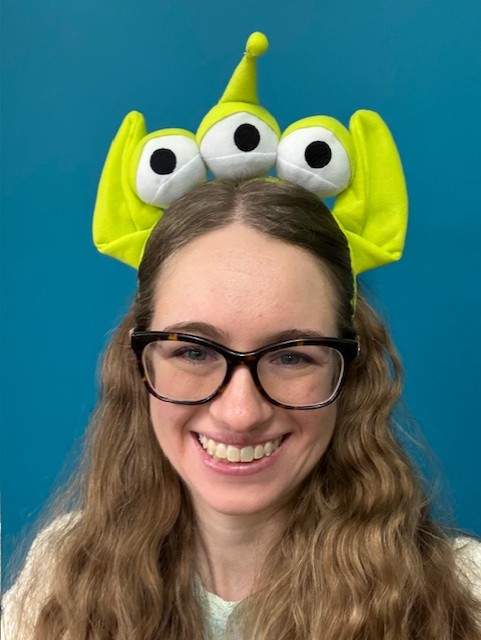
Since the mystery took place in outer space, I kept the decorations simple with giant inflatable aliens. There were 20 chairs in a circle facing each other, with some tables to the side to hold evidence and snacks.
Helping Patron Choose Their Characters
When kids arrived for the program, they could pick what character they wanted to play. The only information they were allowed to use to decide was the character’s name. If you wanted, you could also have patrons choose characters in advance so they can come in costume. After choosing their character, they also received a letter from A to I. One reason I chose to use a script from Masters of Mystery is because the game is structured where any player could be the killer. The letters let the player who was the killer know that they were guilty.
Running the Program
I decided to run the programs with one of my coworkers. Having two staff members run the program worked really well. It allowed me to act as the host and focus on running the game and moving players through each round, while my coworker played a character and helped demonstrate what to do each round. If possible, I would highly recommend you have another staff member to help you, or a volunteer.
When the program began, I welcomed the players into the room and told them the plot of today’s mystery. I explained that the game would be played in rounds. They were very excited to find out that any other player could be guilty – even my coworker!
Each round, I had my coworker go first to demonstrate how to share information and ask questions. The kids took turns sharing information and asking questions to each other. After a certain round, I had everyone close their eyes. Then, I announced the letter of the killer. The patron who was guilty did a great job keeping a straight face and hiding their secret! The answers each patron gave changed depending on if they were guilty or innocent. The kids did an amazing job trying to solve the mystery. They were really paying attention, and asked great questions that showed comprehension.
At the end, each patron filled out a secret ballot with their guess of the guilty party’s identity. One by one, I called out letters until only the killer was left. Everyone was surprised!
How It Went
My coworker and I were both very happy with how the program turned out. The patrons had a great time, and immediately asked if we could do another one. This was a fun program that gives your patrons the chance to act, and also practice their reading comprehension skills. If you are running your own mystery program, just make sure to give yourself enough time to play the game. These programs can be ran as smaller programs for a few middle schoolers, or expanded to be giant library-wide specials. It’s all up to you!
Have you ever ran a mystery program at your library? How did it go?
Ann Baillie (she/her/hers) is the Youth Services Assistant Manager at the Alsip-Merrionette Park Public Library in Alsip, Illinois. She is a past-manager of the Illinois Library Association’s Youth Services Forum. Her main interests are the connection between Readers’ Advisory and technology, and how libraries can use technology to better reach patrons.
This post addresses ALSC Core Competency III. Programming Skills.
Virginia
Fantastic ideas here, engaging kids (or any audience) with mystery involves more than puzzles; it’s about interactive curiosity, building suspense, and creating space for imagination. Thanks for sharing these practical tips!
Ann Baillie
You’re welcome, Virginia! I’m glad you found it helpful!