Young people often come to libraries with partial answers already in hand. Search results, social feeds, and conversational AI systems may have shaped the answers they bring. Private discovery asks how much a young person must reveal before reaching help. Amanda Gray Perry of the University of Notre Dame moderated Core’s Top Tech Trends panel. Speakers working in public libraries, academic libraries, and library technology examined AI, metadata infrastructure, discovery tools, and media access. In my presentation, “Private Discovery by Design: AI Infrastructure in Teen Services,” I posed the question directly: When does a teen’s inquiry become data? Values Before Tools Nicole Steeves, Director of Library Technology at Chicago Public Library, set out a values-based approach to AI. She argued for AI investment when a proposed use improves patron service, protects privacy, preserves staff expertise, and includes human review. She drew clear limits around reference search, readers’ advisory, and traditional…
Category: Intellectual Freedom
Sneaky Censorship
Sometimes censorship arrives through an anonymous whisper instead of an angry outburst. Unlike soft or self-censorship, which usually refers to a librarian’s actions to remove, limit, or not purchase potentially controversial materials, this type of censorship is practiced predominantly by patrons. In these cases, individuals do not officially voice a complaint about a material or request its removal; instead, they hide or mis-shelve items they disagree with, rearrange displays, damage or destroy materials, or check items out so that certain titles cannot be used by others.
Mahmoud vs. Taylor, a reflection
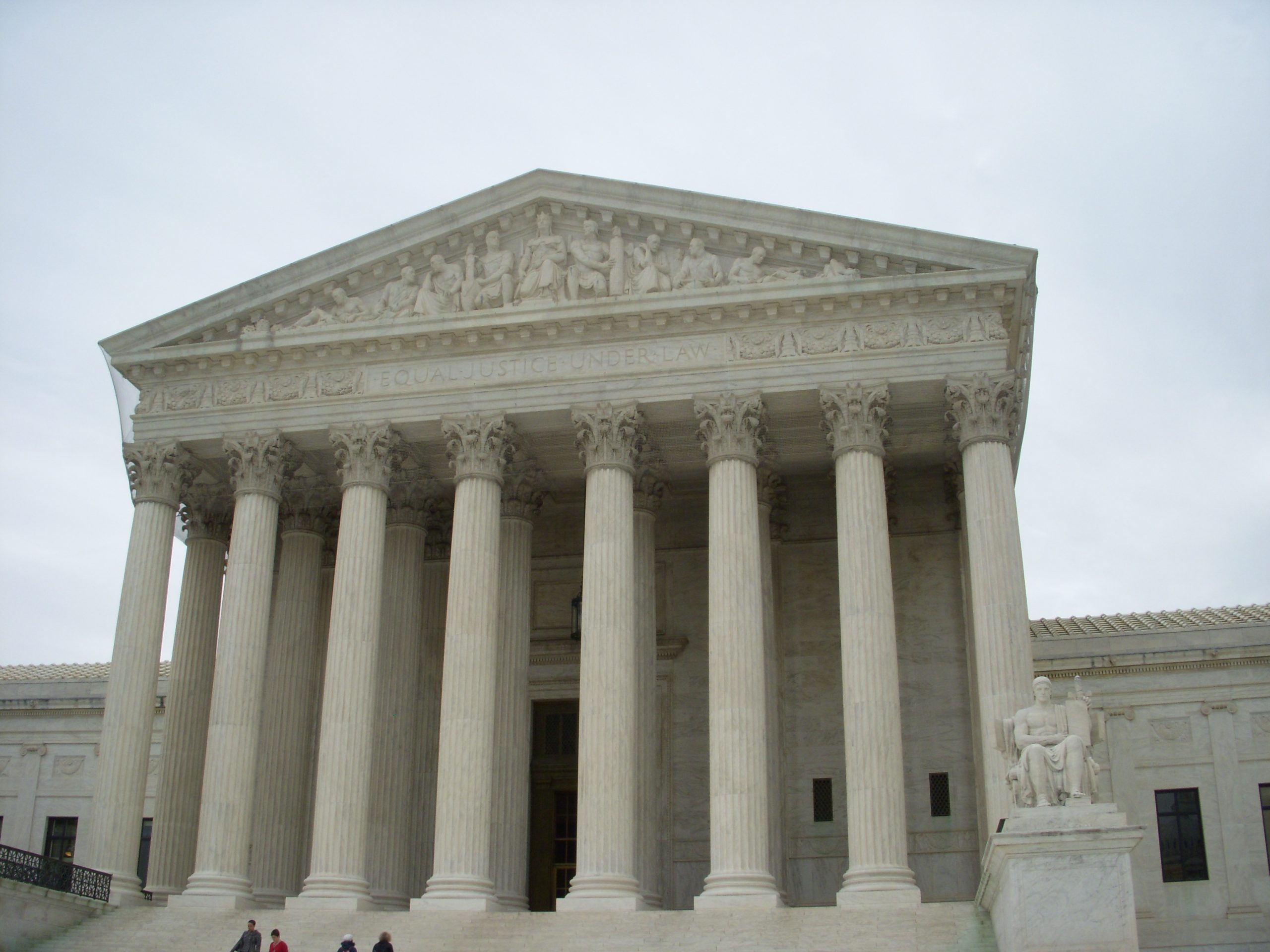
There is little doubt that the library community at large is deeply saddened by the recent U.S. Supreme Court decision in Mahmoud vs. Taylor, ruling in favor of parents’ right to opt their children out of lessons based on religious objections to LGBTQIA+ themes in books.
Self-Censorship: Reflections on an Inside Job
This June I’ve been thinking about the opposite of PRIDE. About what it means to feel hesitation and insecurity during basic library experiences. Ordering a book. Picking up a book. Putting a book back on display. Even though I’ve seen plenty of nervous twelve year olds looking for materials that this might apply to, this isn’t speculation about patron behavior. It’s about self-censorship.
Beyond Passwords: Privacy Literacy and Libraries
From online classes to around the clock connectivity, the digital world has altered the social and educational landscape for youth in almost unimaginable ways. Although the terrain has shifted, decades old policies and practices are often still in place. So what does it mean to advocate for privacy literacy? I was thrilled to join the recent forum, Libraries Stand For Privacy to explore these and other issues.
Everything I Need to Know I Learned In Library School

When I graduated with my degree in education, I was required to create a capstone binder that outlined how I met “core competencies” related to education and teaching. It included things like assessments, teaching of certain core subjects, and demonstrated student growth over a period of time. After graduating, I was so happy to never do anything like that again. That is, I was…until I got to library school.
Beyond Book Bans: Epistemicide
“I learned a new word I thought you’d like,” my boss says at our most recent meeting, “Epistemicide.” It’s not that she thought I would like epistemicide itself. Rather, she thought I might like to have a word for the “the devaluing, silencing, killing, or annihilation of knowledge.” A word I could search.
Old Favorites that have been Challenged
What are some of your old childhood favorite books that have been banned or challenged in the past? Even though the titles listed below were censored or banned more than 40 years ago, they and others like them have survived the test of time and continue to be read by a new generation of children. These four classic titles may be able to provide some perspective on book challenges and how social norms of a particular time period influence what materials are being challenged. While the past two years have been fraught with political agendas ignoring freedom of speech and the right to read, books—even those challenged or pulled from classroom and library shelves, will always find their way into the hands of readers. It’s instructive to examine a handful of classics to reflect on what seemed to alarm censors. The beloved picture book Swimmy by Leo Lionni (1963) shows…