When Back to School season rolls around, libraries across the country fill displays with books about new teachers and first day jitters. Your library may host an evening for school staff, where they can learn all about library services. You may offer an exclusive teachers-only Friends of the Library book sale. But typically, families with students in special education may not get all the support they need in the lead up to a new school year. Navigating the special education system is challenging – there are IEPs, 504s, evaluations, and tons of documentation – and families new to the IEP system can find it especially overwhelming. But what if the library could build a program that connected parents and caregivers with the expert advice and support they needed before they begin another adventure through special education?
What is an IEP?
An IEP is an Individualized Education Plan, which means that it is essentially an agreement between the family and the school district on what supports and accommodations a qualifying child with a disability needs. This might include services like speech therapy and occupational therapy. It might also cover transportation needs, year-round school services, or a plan for how the school staff will handle challenging moments and create an environment of student success.
Not all disabled students qualify for an IEP plan. Some may qualify instead for a 504 plan, which is essentially a more limited agreement between the family and the district on how to support the student. Usually there are no extra services, but there are accommodations like extra testing time, or access to a safe sensory space.
Getting a student established with a successful IEP or 504 can be very challenging – families must move through a series of evaluations, meetings, and negotiations with the district, often wading through a sea of confusing jargon and acronyms. Some families will hire an advocate or a special education lawyer for help, but this is out of reach for many families.
A Panel Discussion for Special Education Families
As part of my library district’s Kindergarten Readiness programming, we hosted a Zoom panelist discussion on the IEP process and special education overall. The program was presented virtually and in the evening, to maximize the number of parents and caregivers who would be able to attend, as it can especially difficult for families with children who have high support needs to attend an in-person program.
Our panel was made up of a team of experts, including:
- A member of the special education department from one of our area school districts, who could speak about the district’s policies and explain special education from a teacher’s point of view.
- An advocate from a local disability nonprofit, who specializes in helping families understand the IEP process.
- A local parent of a child receiving special education services, who could empathize when our families expressed confusion or frustration, and who could offer tips on building a support system and staying on top of all the necessary paperwork.
The panelists presented a short explanation of special education services, including how families can begin an IEP/504 process if they are concerned about their child’s development. After that, we facilitated a discussion on how to best support a special education student, and the panel answered questions from families. Of course, we snuck in some tidbits on available supports at the library as well, including our disability resources webpage and some favorite books in our collection with disability representation.
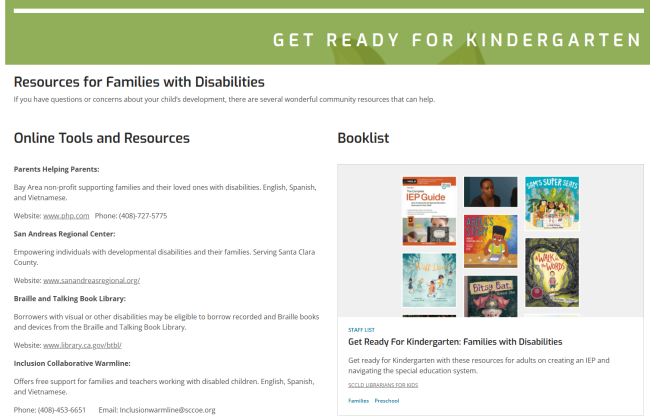
Building a Community of Support
There are other ways to build a community of support for families in special education as they get ready to go back to school, like Alameda County Library’s Social Hangout for children with disabilities, which provides a safe space for kids to socialize without worrying about getting weird looks or negative comments.
And while booklists and displays are not replacements for in-person inclusion, updating these resources is still important. When we updated our Kindergarten Readiness program, we took that opportunity to review all our booklists and make sure they included authentic disability representation. Some brilliant include:
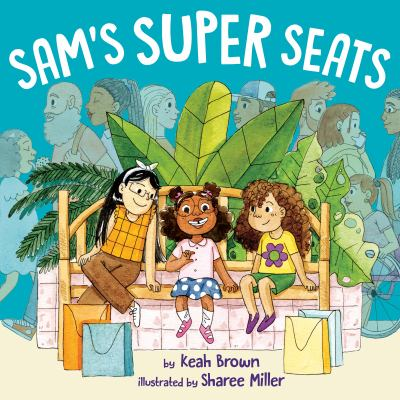
- Sam’s Super Seats, written by Keah Brown and illustrated by Sharee Miller. Sam (who is Black and has cerebral palsy) is going back to school shopping with her friends, having a joyful time, while also taking plenty of breaks to help her body stay strong.
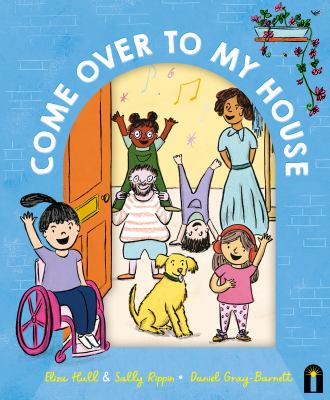
- Come Over to My House, written by Eliza Hull and Sally Rippin, and illustrated by Daniel Gray-Barnett. A variety of families welcome the reader over to play and spend the day together, while also depicting different forms of disability, including Achondroplasia and autism.
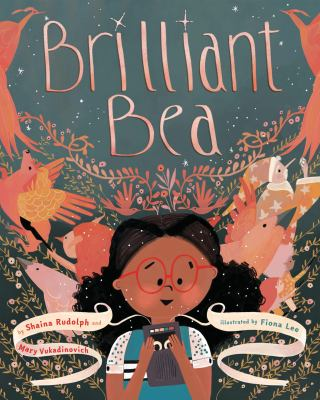
- Brilliant Bea, written by Shaina Rudolph and Mary Vukadinovich, and illustrated by Fiona Lee. Bea (who is Black and has dyslexia) is struggling to bring her natural storytelling skills to her school work. But with the support of a teacher, Bea flourishes and grows up to become an author.
Today’s blogger is Charlie (Chelsey) Roos, on behalf of the Library Services to Underserved Children and their Families committee. Charlie is a Children’s Librarian for Santa Clara County Library and a disability researcher and advocate. They are currently serving on the Library Service to Underserved Children and Their Caregivers committee, and co-chairing the Stonewall Youth Award committee. Image credits are specified in each image caption.
This blog relates to ALSC Core Competency I. Commitment to Client Group, III. Programming Skills, & V. Outreach and Advocacy.