If questions like these sound all too familiar, you may be experiencing Summer Reading burnout. By the time July rolls around, I can almost recite the next question before it’s even fully asked.
“Is there still room for this program?”
“Can I get another prize?”
“Where is the glue?”
“Do you have any zoo passes left?”
Some days, I feel like I’ve said the same things a hundred times. The repetitive nature of busy library days can leave even the most enthusiastic librarians feeling mentally and physically drained.

As a youth services librarian, summer is a fast-paced stretch of planning and programs. My schedule fills with craft programs, visiting performers, and the steady rhythm of families checking in for Summer Reading. After weeks of setup, cleanup, and repetition, even my most creative ideas can start to feel familiar. Staying energized becomes a challenge as the busy season wears on.
The Mid-Summer Routine
This year, I’ve spent weeks planning for The Great Garden Bake-Off, Mad Hatter’s Tea Party, and Garden Time Travelers. Each program has taken kids into a different world—prehistory, whimsical wonderlands, and historical gardens reimagined through stories and crafts. I’ve prepped countless craft supplies, rewritten instructions, and made sure every table was ready before the first group walked through the door.


By the middle of summer, I know exactly where every supply is stored, how long each activity will take, and which parts of the craft directions usually need an extra explanation. While that familiarity helps everything run smoothly, it can also make the days blend together. Furthermore, this adds to the feeling of burnout common during the Summer Reading program.
Some afternoons, after cleaning up yet another pile of paper scraps and glue sticks, I’ve caught myself thinking, Tomorrow, I’ll do it all again. I also wonder how to keep my energy up for another week despite the onset of Summer Reading burnout that can come with this routine.
Through a Child’s Eyes
And then a child walks up to show me their project, instantly cutting through any hints of summer burnout that linger from the reading season.
They’re proud of the garden they built, and their excitement is often contagious even during weeks of Summer Reading burnout.
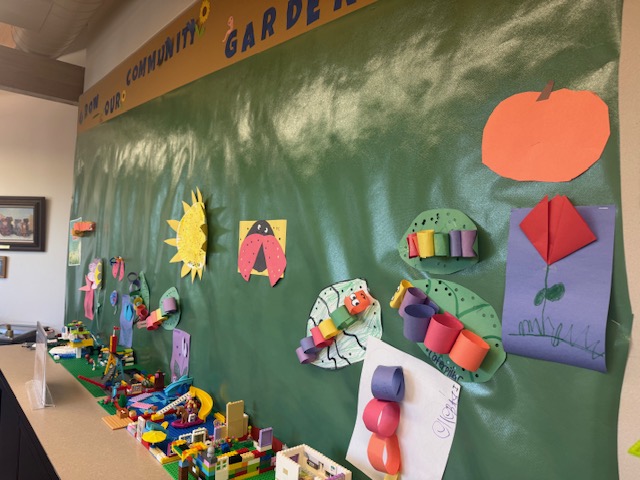
They’re excited to tell me why they added flowers, a tiny pathway, or a paper dragonfly next to their scene. This is a reminder of what makes Summer Reading so rewarding even when burnout starts to appear.
They’re already asking what we’re making next week. This is a sign that the joy of summer reading overcomes any staff burnout I might feel.
In that moment, I remember something I lose sight of during the busiest weeks of summer. While this may be my twentieth program of the season, it could be their very first Summer Reading experience. That experience is untouched by burnout and fresh with excitement.
Children don’t see repetition the way adults do, making Summer Reading burnout less of a concern for them.
They don’t know I’ve read the same story multiple times this month. They don’t notice that I’ve explained the craft directions over and over. Also, they simply know that someone is excited to welcome them into the library and help them create something they’re proud to take home. They feel this even when I’m feeling the effects of burnout from a full summer of reading programs.
The Moments That Matter Most
One of my favorite parts of working in youth services is seeing those familiar faces return each week. At first, they’re quiet and stay close to their caregivers. A few weeks later, they’re raising their hands to answer questions, chatting with other children at their table, and telling me about the books they’re reading at home. In addition, watching those changes reminds me why the busy season is worth it. This is true even when Summer Reading burnout tries to creep in.
And yes—by mid-summer, I’ve also answered “Do you have zoo passes left?” more times than I can count. It becomes part of the rhythm of the desk: prizes, passes, reading logs—repeat. Of course, this repetition often leads to the feeling known as Summer Reading burnout for many library staff.
Those moments happen constantly, and I can easily blur them together when I focus on the next program prep or the next crowd walking through the door. I have to remind myself to slow down and notice the small interactions that make each day meaningful. This is important even when summer’s steady pace starts to wear me down as reading program routines continue.
Summer Reading burnout has reminded me that success doesn’t come from creating the newest craft or the most elaborate activity. Instead, it comes from creating a space where children want to return—a place where they feel comfortable, welcome, and excited to learn.
Finishing Summer with Fresh Eyes
By the end of July, my voice feels tired, the craft closet needs reorganizing, and I’ve usually repeated the same directions hundreds of times. Even so, I’m determined to finish the summer strong. I also want to find ways to reduce burnout during Summer Reading’s final stretch.
But every child who walks into the room experiences the program differently, which helps me break that pattern.
For them, every visit to the library brings new excitement, even when I’m feeling the effects of Summer Reading burnout behind the scenes.
And remembering that has helped me rediscover the joy in the busiest season of the year, despite the occasional burnout experienced from Summer Reading.
As librarians, we often spend the summer making magic for others. Sometimes, all it takes is seeing the library through a child’s eyes again to remember that the magic is still there for us, too. It also reminds me that Summer Reading burnout is only temporary.
Jessica Brownley (she/her/hers) is a Youth Services Librarian at the Bartlett Public Library District in Bartlett, Illinois. She is dedicated to developing creative and immersive programs that spark curiosity and joy among children.
All photos by Jessica Brownley, ALSC member