While it may be a new year, many of the same old issues surrounding censorship persist. Introducing the concept of challenged or banned books to young children can be difficult. Fortunately, there are books that introduce the issue and can start the conversation.
Picture books can serve as a tool for fostering engagement and creating conversations around complex ideas and themes. They build empathy and provide insight into other’s perspectives. The artwork in a book can add emotion, context clues, and subtlety to the text. Teachers and caregivers can use picture book illustrations to boost engagement with readers. Try using these books with school-age kids to introduce the topic of censorship, book banning, and the freedom to read.
The following picture books vary from explicitly being about censorship and book banning to less obvious. Both types could be used to create dialogue at home or in the classroom.

Book Comes Home (2025), written by Rob Sander and illustrated by Micah Player
Book Comes Home tells the story of censorship through the book’s perspective. A beloved book is removed from the shelf and stored behind a locked door. Children rally to bring back the books and by the end, the book is reunited with its readers along with other removed stories.
Book Comes Home glosses over why the book was removed from the collection and how exactly the children were able to bring the book back in. However, this allows for asking open-ended questions from the reader.
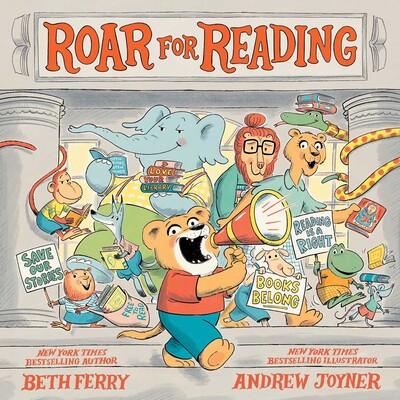
Roar for Reading (2024), written by Beth Ferry and illustrated by Andrew Joyner
The lions are librarians, and they must find their roar again when books are removed from the library. This story is more direct about how a challenge may be delivered to the library and illustrates the library organizing a protest. The end of the book features a call to action with the acronym ROAR (recognize, organize, act, and respect). Roar for Reading illustrates the anger and frustration people feel about their freedom to read being challenged and directs those feelings into positive change.
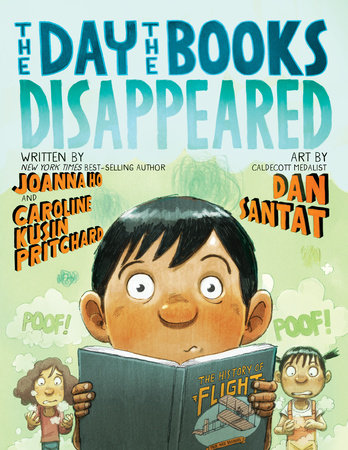
The Day the Books Disappeared (2025), written by Joanna Ho and Caroline Kusin Pritchard and illustrated by Dan Santat
Arnold didn’t mean to make all books disappear, just the ones he didn’t like. This book is not explicitly about censorship or book banning on the surface, but the freedom of reader’s choice is evident by the end. There is an author’s note about the importance of differing opinions and perspectives.
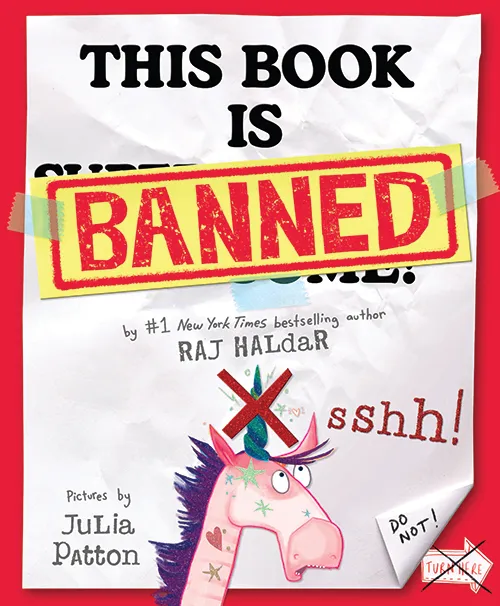
This Book is Banned (2023), written by Raj Haldar and illustrated by Julia Patton
An interactive picture book that challenges the reader to think about the consequences of removing objects and ideas. Next to the title page, the author includes a note defining what is a banned book in accessible language. While this book is not explicitly about a book being removed from a library’s collection, it playfully illustrates the ridiculous reasons people have with certain words, ideas, images, etc.
Have you used picture books to discuss other complex topics? Let us know in the comments.
Happy New Year and happy reading!
Image Credits: Book cover photos taken from publisher websites in the order that they appear;
Penguin Random House, Simon & Schuster, Disney – Hyperion, Source Books
Today’s blog post was written by Mandy Werrin, a Librarian in Sacramento, CA, on behalf of the ALSC Intellectual Freedom Committee. They can be reached at mwerrin@saclibrary.org
This post addresses the core competencies of II. Reference and User Services.