Many children with ADHD walk into libraries already carrying quiet stories about themselves, stories that say they are “too much,” “not focused enough,” or “bad at learning.” Those beliefs do not appear overnight. They grow from the countless small moments when a child is corrected, compared, or misunderstood.
As librarians and educators, we can help rewrite those stories. Every program, every book display, and every kind word has the power to move a child from shame toward a sense of strength.
When everyday struggles become self-doubt
For children with ADHD, even small tasks can sometimes feel enormous. A reading circle that asks for intermittent stillness, or a craft that demands careful sequencing, can bring a flood of frustration. Over time, a child might start to think the problem is who they are, not what they are being asked to do.
One student I met years ago used to rush through every worksheet so he could “get it wrong fast.” Another loved one was coming to storytime but always ended up pacing at the back of the room, convinced she was “disrupting everyone again.” Moments like these remind us that behind many behaviours is a child trying to protect their self-worth.
Seeing strength beneath the struggle
What looks like distraction or impulsivity can often hide real curiosity and creativity. The child who blurts out answers might also be the first to spot patterns others miss. The student who cannot sit still might be full of energy that thrives in performance, movement, or building things.
I once worked with a boy who could not sit for a five-minute story but could recite whole pages of a comic book he loved. Another child who avoided group activities came alive when we introduced a scavenger hunt. When we pay attention to what sparks their interest, we start to see the strengths beneath the struggle.
For families who want to better understand how ADHD shows up in learning and behaviour, exploring the process of a child ADHD assessment can sometimes provide valuable insights that help shape more supportive environments at home and in school.
Our role is not to fix attention, but to make space for different ways of engaging.
Creating confidence in library spaces
Offer flexible participation
Let children choose where and how they take part. Some might prefer standing during a story, using fidget tools, or sitting near an exit for breaks. Small adjustments like this show that difference is expected, not punished.
Celebrate effort, not perfection
Praise persistence and curiosity. Instead of “You finally finished,” try “I love how you kept going even when it got tricky.” Those words build resilience more than correction ever could.
Highlight role models in books
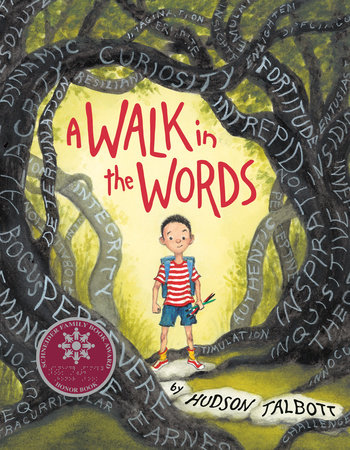
Representation matters. When children see characters who think and learn differently, they realise they are not alone. Titles such as A Walk in the Words by Hudson Talbott or Ellie Ultra by Gina Bellisario show that there is more than one way to be capable.

Collaborate with schools and families
Partnerships can extend the library’s reach. Sharing booklists about emotional literacy or running a family drop-in for homework support helps children hear consistent messages of encouragement. Even small gestures, like a note to a teacher about a student’s enthusiasm for graphic novels, can make a difference.
Helping every child feel seen
It does not take grand programs to shift a child’s story about themselves. Sometimes it is the smallest moment that matters, a librarian remembering their favourite series, offering a quiet smile during a restless day, or saying, “You have such good ideas.”
When children begin to see their own abilities reflected at them, shame starts to lose its hold. What replaces it is confidence and a sense that libraries are places where they belong exactly as they are.
Every act of understanding plants that belief a little deeper. And that is how we help students with ADHD move from shame to strength.
Today’s guest contributor is Dr. Darren O’Reilly. Dr. O’Reilly is a Chartered Psychologist and ADHD specialist at AuDHD Psychiatry with more than a decade of experience supporting people to understand and manage neurodiversity in everyday life. His personal experience with ADHD informs his evidence-based and compassionate approach to helping others recognise their strengths.
Please note that as a guest post, the views expressed here do not represent the official position of ALA or ALSC.
If you are interested in submitting a guest post, please read and fill out our Guest Blogging Interest Form. We would love to hear from you!
Nano Banana AI
I love how this post emphasizes that the behaviors we often see in children with ADHD, like impulsivity or distractibility, can actually be signs of creativity and curiosity. With the right support, those traits can be harnessed into something positive.